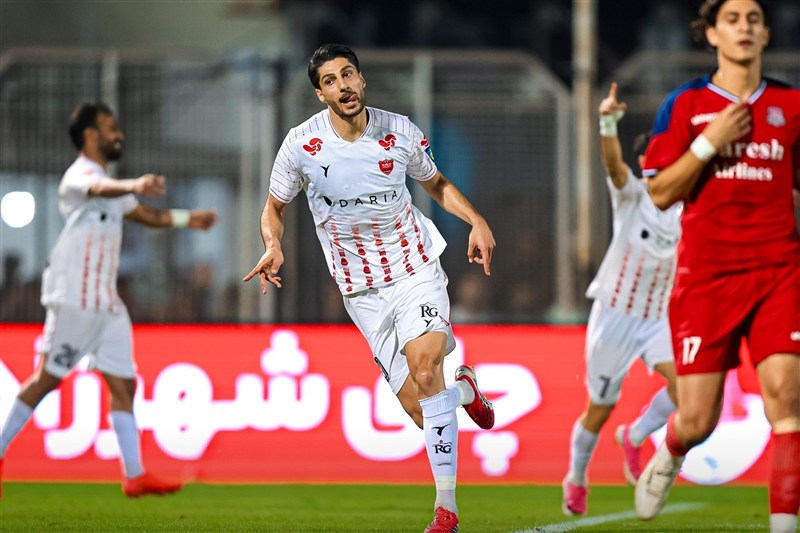
The table looked a bit upside down early in the season, with Persepolis dropping points and leaving gaps at the back that nobody in red really expected. Juan Carlos Garrido kept talking about small details, and the squad kept grinding, and by the time the race tightened the club was back near the top. Ali Alipour's return gave the attack a focal point, while Serdar Dursun and Oston Urunov added different ways to break a low block. The climb is not just a short run of form, because Persepolis have 16 league titles to Esteghlal's nine, and that history sits on every fixture like extra weight.
The Slow Start and the Midfield Switch
The early problem was a midfield gap that let opponents counter through the middle, and it showed up in the first few weeks. League rules on squad registration work a lot like the small print that matters when someone is comparing best casinos casino online legal terms and payout speeds, because the headline number is never the whole story. Garrido tried a few shapes, and the switch that stuck was a narrower midfield with Oston Urunov drifting inside, Saeid Sadeghi sitting deeper, and Vahid Amiri holding the width on the left. A midfielder who takes an extra touch in the build-up can slow the whole move, and Garrido wanted the ball moving before the opposition block set. A player who picks up a suspension or a knock can change the whole rotation, and Garrido had to plan around that. A home draw against a mid-table side was the sort of match that used to slip away, but this time Persepolis kept the ball in the final third and won a late corner, and Giorgi Gvelesiani attacked it. That is not a glamorous fix, but it is the sort of thing a coach can control when the squad is not fully fit. A few weeks later the table looked different, and the same midfield shape was still there.
Alipour, Dursun and the Goals That Changed the Table
Ali Alipour is not a pure target man, but his runs behind the last line pull a centre-back out of shape, and that opens space for a late runner. Serdar Dursun gives Garrido a different option when the game gets physical, because he can hold the ball with his back to goal and let the wingers join. When Dursun starts, Alipour can drift left and attack the far post, and that is a different problem for a centre-back who likes to step out. Oston Urunov is the one who turns a slow build-up into a break, and his first touch in tight spaces is pretty good at getting Persepolis up the pitch. The bench also matters, because a winger who comes on in the 65th minute can change the tempo against tired legs. The goals did not all come from open play, either, because a set piece near the edge of the box or a second ball at the far post can decide a title race when the top sides cancel each other out. A player who cashes out €90 on a betting app after a lucky win is not the same as a club that banks three points from a scrappy 1-0, but both are about timing. The gap closed, and the same front three kept rotating around Alipour.
The Derby Ledger and the Pressure It Creates
The derby is a different kind of test, because the table can look fine and then a single match changes the pressure around the whole club. Persepolis and Esteghlal have met more than 100 times, with more than 50 draws, and the league titles sit at 16 for Persepolis and nine for Esteghlal. Pitso Mosimane had his own problems at Esteghlal, and the derby pressure does not care about form. A club that wins the derby can carry that result for a month, and a club that loses it can hear about the same mistake for a lot longer. A defender who clears a ball into the stands in the 88th minute can become a hero, and a midfielder who takes an extra touch in the box can become the reason a team drops two points. The derby is also a scouting test, because the pace is different and the refs let a bit more go. Mosimane tried to make Esteghlal compact, but the team still gave away cheap fouls near the box, and Persepolis have the height to punish that. Persepolis used that edge in the return match by keeping the midfield compact and forcing Esteghlal wide, and the game turned on a second ball that fell to Alipour.
What to Watch in the Run-In
A team that plays two games in four days and then travels for an AFC Champions League Elite match will lose a step in the second half, and that is when a squad with a thin bench starts to trip a wire. The fixture list can turn a good run into a grind, and the staff has to manage minutes in the middle of the park. Garrido has to decide whether to keep Alipour central or use Dursun from the start, and the answer probably depends on whether the opponent sits deep. Gvelesiani's headers from corners are a real weapon, but relying on them every week is a bit risky, because good teams will block the near post. The other thing to watch is discipline: a soft yellow in the 70th minute can become a suspension, and that can flip a title race. Persepolis have the experience, and the squad knows how to grind, but the margin is thin. A goalkeeper who takes an extra second on the ball can invite pressure, and a centre-back who steps out too early can leave a gap behind him. Can Garrido keep the midfield fresh when the fixtures stack up, or does the title race turn on one suspension at the wrong moment?
